Cited in boardrooms, legal proceedings & government briefings since 2017
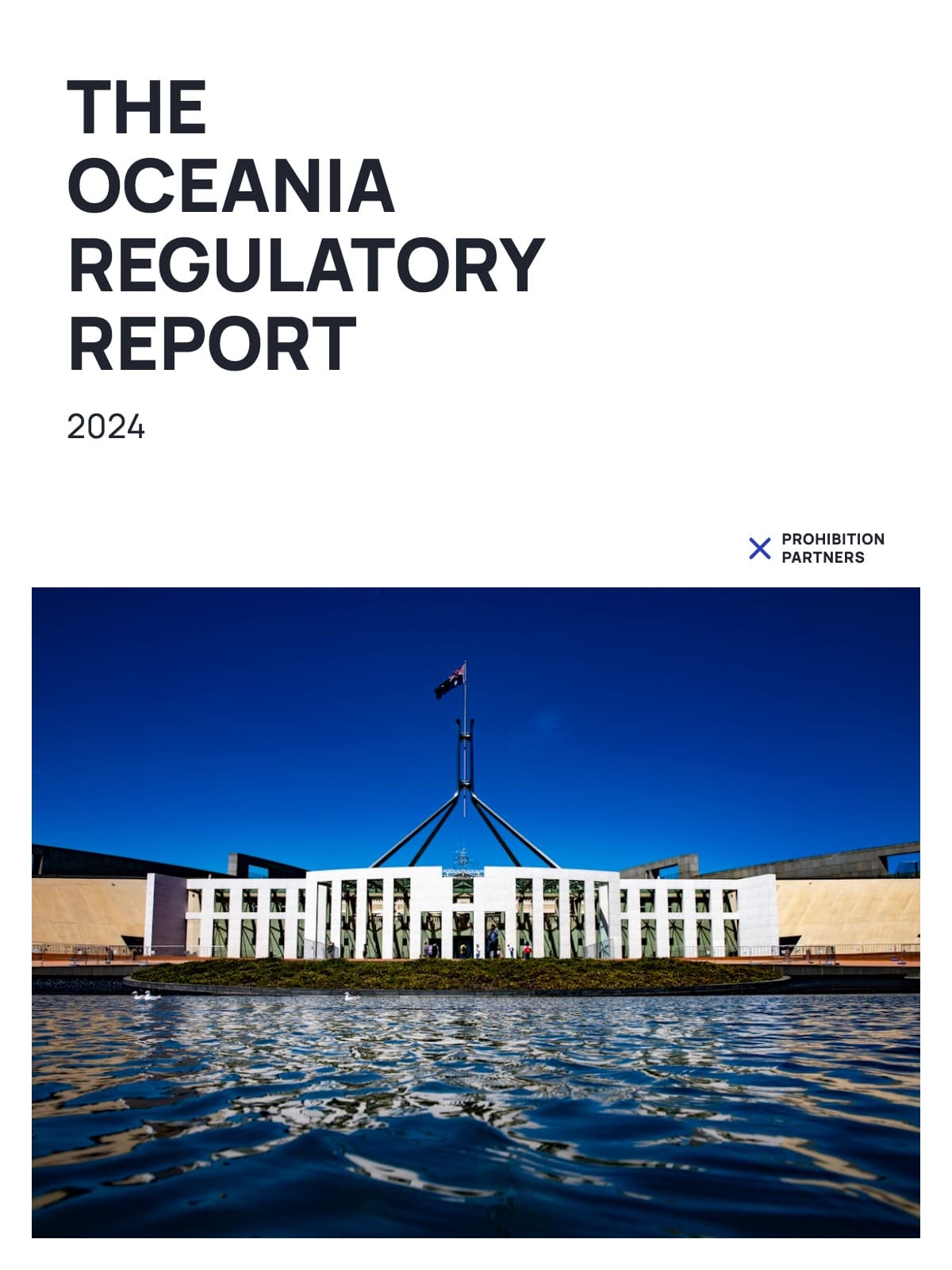
The regulatory frameworks that Australia and New Zealand have developed for their respective legal cannabis industries share some top-level similarities; however, there are key differences, which could become more pronounced in the medium t…
Cited in boardrooms, legal proceedings & government briefings since 2017. Our figures are built to be defended — sourced, modelled and signed off by PP’s analysts.
Trusted by teams at





The regulatory frameworks that Australia and New Zealand have developed for their respective legal cannabis industries share some top-level similarities; however, there are key differences, which could become more pronounced in the medium t… It combines PP’s proprietary market sizing with regulatory analysis, giving investors and corporates a single, citable reference — delivered digitally, licensed for internal use, and backed by the analysts who built the numbers.
PDF + data
delivery format
2024
published
The regulatory frameworks that Australia and New Zealand have developed for their respective legal cannabis industries share some top-level similarities; however, there are key differences, which could become more pronounced in the medium term as the two systems evolve. On the question of adult-use, New Zealand opted for an all-or-nothing popular referendum for full-scale legalisation in 2020 which, upon rejection, has rendered the development of an adult-use regulatory framework unlikely for the foreseeable future. Australia meanwhile has seen a groundswell in public opinion on the issue manifest into legislative steps taken by representatives at the regional and federal levels, and is likely to see an adult-use market develop incrementally in the coming years. On CBD, in contrast to most countries with significant medical cannabis access, both have taken the approach that the cannabinoid should be accessed via medical channels only, though both have recently passed legislation to make CBD products containing a low dose of THC more easily accessible than other higher-THC cannabinoid products.
Investors & analysts
Defensible sizing and forecasts to underwrite the thesis.
Corporate strategy & FMCG
Opportunity sizing and entry routes across key markets.